Wellness is a felt-not-shown category — calm, better sleep, recovery, focus — which makes believable narrative and airtight claim discipline the whole game. The clip that converts is a real person folding your product into their evening or morning routine and describing how they feel, but every "supports," "helps," and "may" has to be chosen carefully so the ad stays inside wellness advertising norms.
No credit card · Watermark-free on paid · 9:16 native
— The studioLive
|
Avg ~5 min · No credit card
9:16 · 5s9:16 · 5s9:16 · 5s
YourNext
— Real output
Wellness Brands ads,generated here
Craft close-up9:16 · 5s
Made on Kling 2.6
Prompt: UGC ad: a barista pouring latte art in a specialty coffee shop, steam rising, artisanal warm tones
Product demo9:16 · 5s
Made on Kling 2.6
Prompt: UGC ad: a young woman holding a skincare serum bottle to camera in soft natural window light, casual vlog style
Unboxing9:16 · 5s
Made on Kling 2.6
Prompt: UGC ad: a man unboxing wireless earbuds at a wooden desk, close-up of hands, energetic product reveal
Demo9:16 · 5s
Made on Kling 2.6
Prompt: UGC ad: a fitness influencer demonstrating a resistance band in a bright home gym, dynamic motion
Lifestyle9:16 · 5s
Made on Kling 2.6
Prompt: UGC ad: a woman pouring a green smoothie in a modern kitchen, slow-motion pour, fresh healthy lifestyle
Ambient
Hero product
Feature callout
Before/after
Lifestyle
Hero product
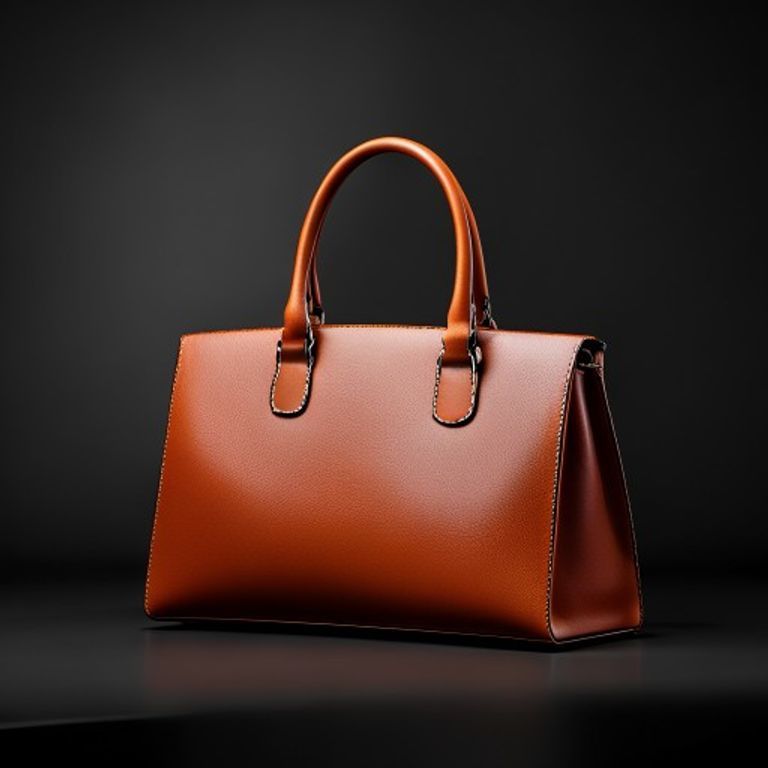
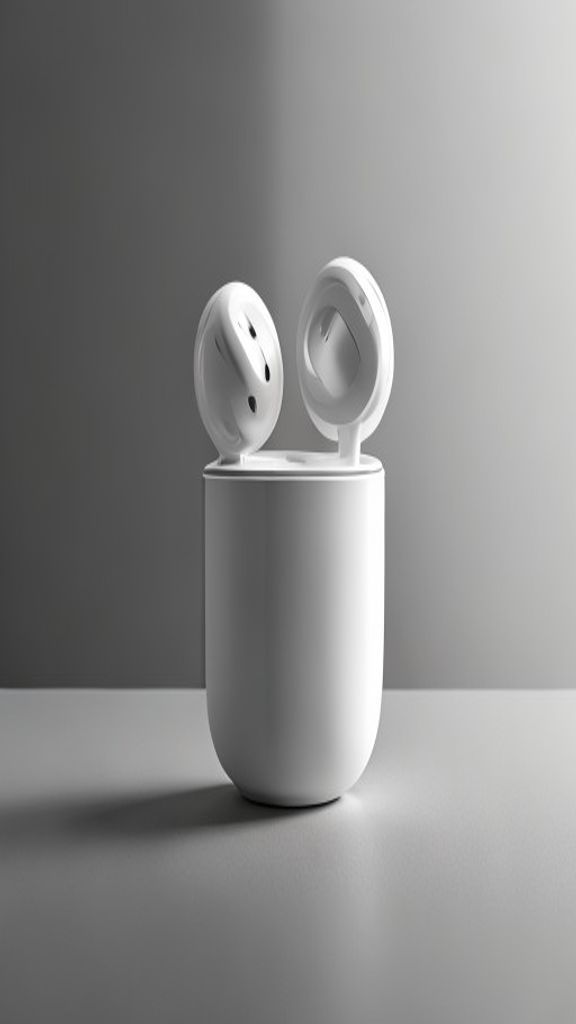
The gallery above shows generated wellness creative — wind-down routines, calm-and-recovery stories, and transparency reads, plus clean feed-ready statics with benefit and dose callouts. Each ran from one product brief with your compliant script and no creator sourcing. Treat them as a starting library for claim-safe hook testing.
— The playbook
Why UGC winsin wellness brands
Wellness is a felt-not-shown category — calm, better sleep, recovery, focus — which makes believable narrative and airtight claim discipline the whole game. The clip that converts is a real person folding your product into their evening or morning routine and describing how they feel, but every "supports," "helps," and "may" has to be chosen carefully so the ad stays inside wellness advertising norms. Sourcing on-message creators and coaching them on claim language is slow and costly. Our studio generates UGC-style wellness video and static ads in minutes — routine-integration hooks, wind-down and recovery stories, habit-stacking angles, and ingredient-transparency reads — with a script you fully control so the persona only says what your review approved. Because wellness monetizes on repeat and subscription behavior, you can test the top of funnel hard and let retention pay it back. Ship the calm-routine story against the recovery angle against the transparency read, learn which benefit resonates, and feed the subscribe-and-save engine.
Feature callout
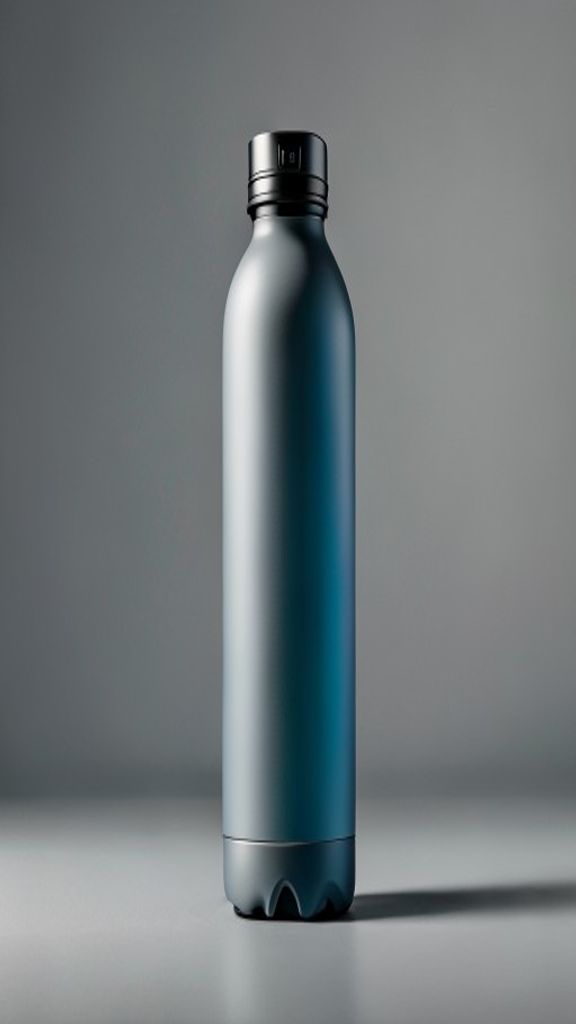
Water bottle — real model output
— The problem
Why wellness UGC is a claim minefield
Wellness benefit is felt, not visible, so proof has to come from believable narrative — while the claims that surround sleep, calm, and recovery are exactly the ones that draw ad-review scrutiny.
01
Benefit cannot be shown, so the ad depends on first-person narrative that is hard to script consistently and on-message.
02
Sleep, stress, and recovery claims must avoid disease language, and one careless line can get an ad or account flagged.
03
On-message creators are slow and costly to source, and coaching claim language slows every turnaround further.
04
Subscription economics require heavy top-of-funnel testing that manual creator content cannot sustain.
— What replaces it
Swatch
Lifestyle
Hero product
— Angles
Wellness UGC angles that convert
These structures win in sleep, calm, recovery, and focus funnels while staying inside claim guardrails you define. Generate each with your approved script.
01
Evening wind-down routine
The creator folds the product into a believable nighttime ritual and narrates the habit. It sells the routine and frames the product as a repeat purchase, where wellness LTV lives.
02
Calm / recovery story
A first-person "here is how my evenings feel now" arc phrased in compliant, structure/function-style language. It delivers felt-not-shown proof without stepping into a disease claim.
03
Habit-stacking hook
Positions the product as the easy add-on to a habit the buyer already has — coffee, journaling, stretching. It lowers the friction that kills routine adherence and subscription retention.
04
Ingredient-and-dose transparency
The creator reads the label and highlights clinically studied doses versus vague blends. It converts the research-driven buyer who compares formulas before purchasing.
05
"Why I switched" comparison
The persona explains leaving a hyped or underdosed product for yours on a concrete, compliant differentiator. It attacks the incumbent without a vague health promise.
06
Subscribe-and-save framing
Closes by positioning the subscription as the smart default. It primes the recurring behavior that makes wellness CAC pay back.
Sale promo
Hero product
Demo
— Benchmarks
Wellness ad benchmarks
1.0–1.6%
Typical Meta CTR
Routine and calm-story hooks trend high; benefit stories vary.
Subscription offers and bundles lift the upper end.
≈3:1
Target LTV:CAC
Payback leans on subscribe-and-save retention, not first order.
Benchmarks are typical industry ranges for planning, not guarantees of your results.
— FAQ
Questions,answered
How do I keep wellness claims compliant in these ads?+
You write and approve the script, so the persona only says the structure/function-style language your review cleared. Avoid disease claims, include any required disclosure, and keep dosage statements accurate — the format leans on felt narrative rather than fake visual proof.
Can these ads convey a benefit I cannot show on camera?+
Yes — wellness benefit is felt, not visible, so the format uses first-person routine and recovery narrative rather than a staged "results" shot. That is both more compliant and more believable.
Do UGC ads make sense for a subscription wellness product?+
They are ideal. Because your economics rely on LTV, you can test many cheap top-of-funnel hooks and route buyers into subscribe-and-save. High-volume hook testing is exactly what manual creator sourcing cannot sustain.
How is wellness different from a supplement ad?+
They overlap on compliance, but wellness leans harder on mood, ritual, and lifestyle framing — sleep, calm, recovery — where the emotional routine is the hook. Supplements skew more to dose and label credibility. Many brands span both and test each angle.
Should wellness brands run video or static ads?+
Both. Video carries the routine and calm story that need narrative; statics are cheap to iterate for benefit callouts, transparency, and subscribe-and-save offers. Most wellness accounts pair narrative video with clean, disclosure-ready statics.
— See it live
Feature callout
Hero product
Sale promo
— Ready when you are
Ship your nextWellness Brands ad today
Start free — no card, watermark-free on paid plans. Generate more angles this week than you shot all quarter, then scale the winner.

 Ambient
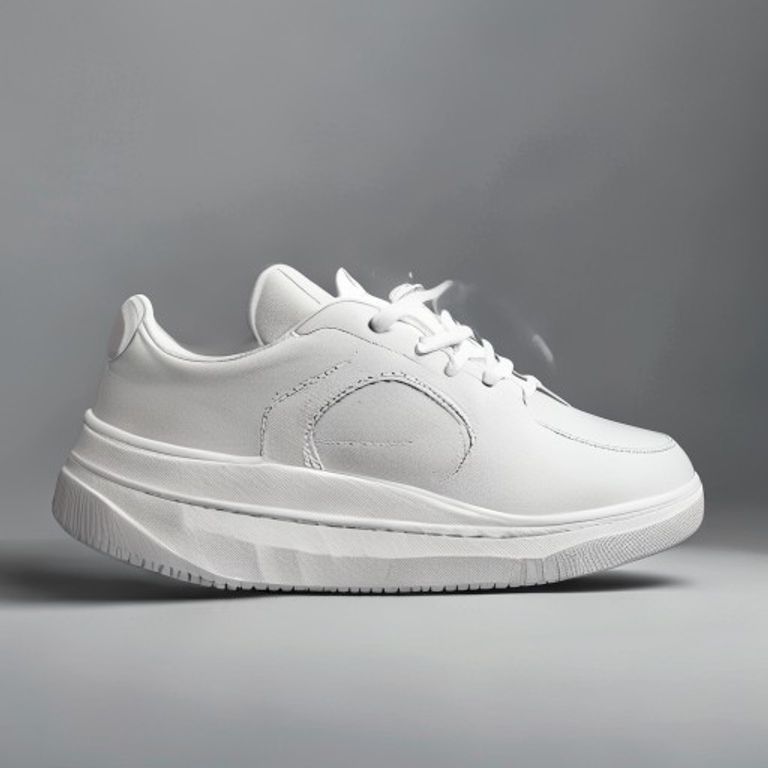 Hero product
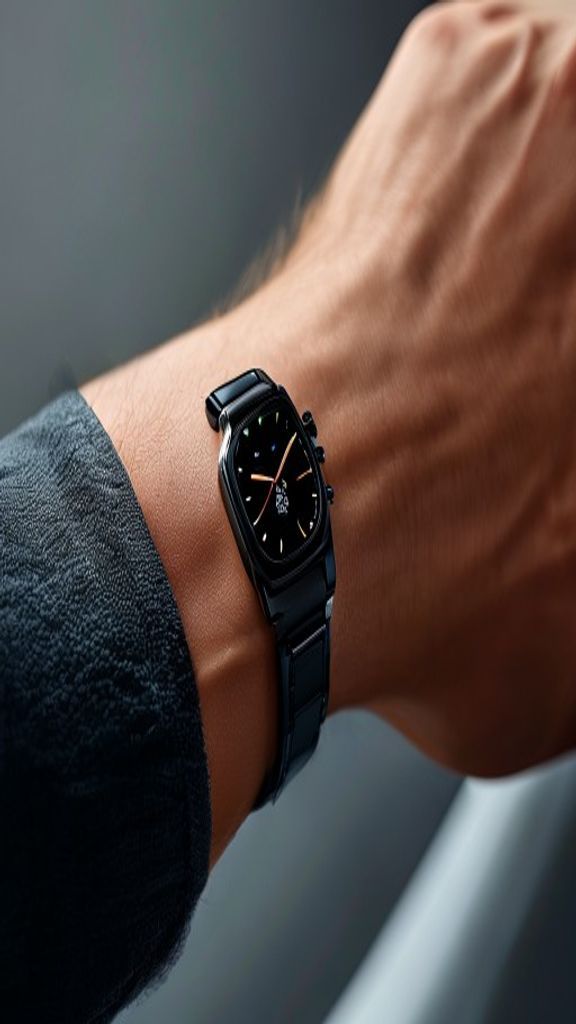 Feature callout
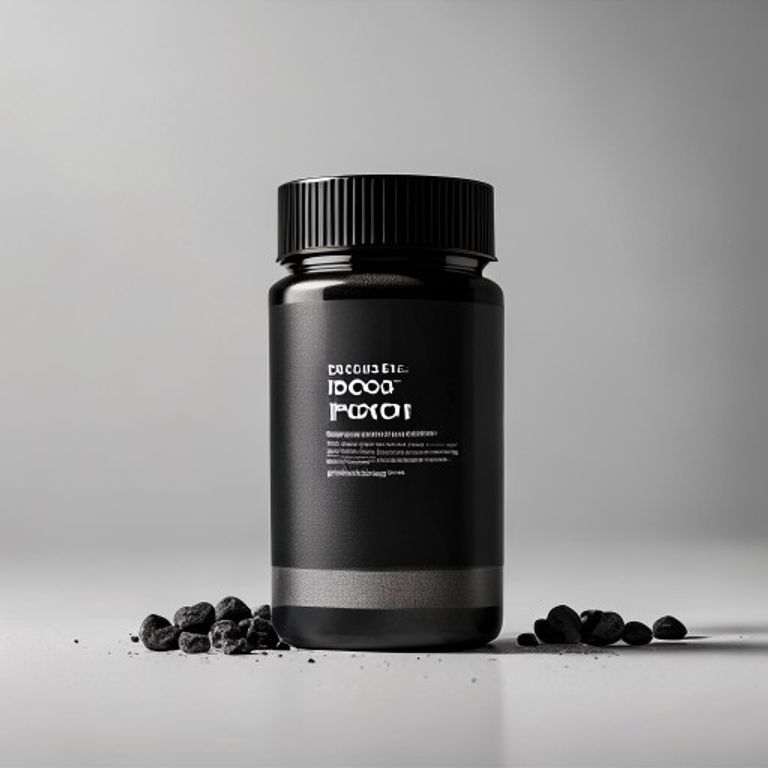 Before/after
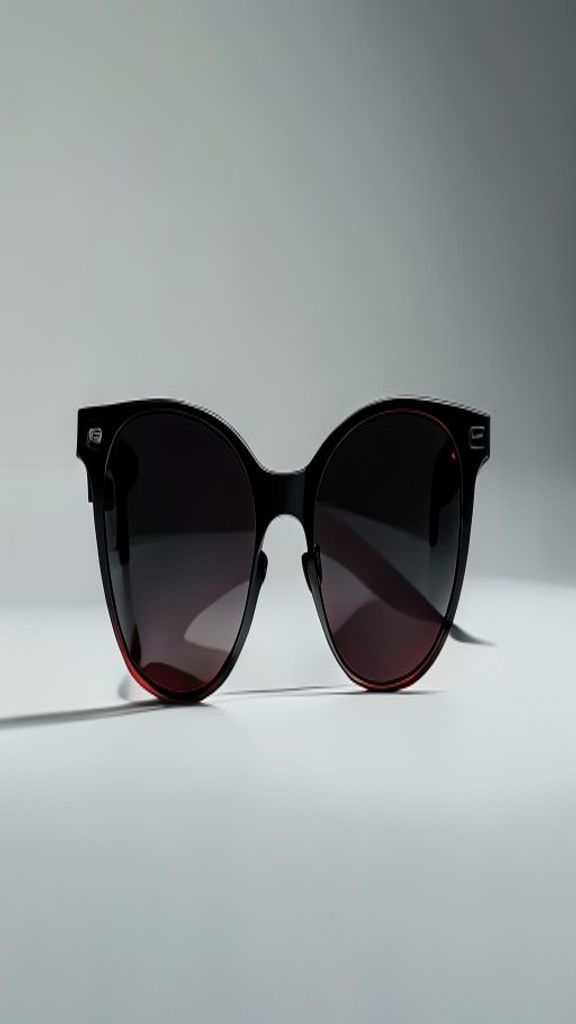 Lifestyle
 Hero product
 Feature callout
 Swatch
 Lifestyle
 Hero product
 Sale promo
 Hero product
 Demo
Demo Feature callout
 Hero product
 Sale promo